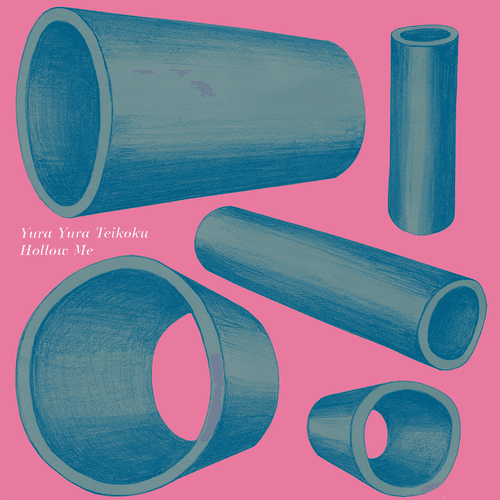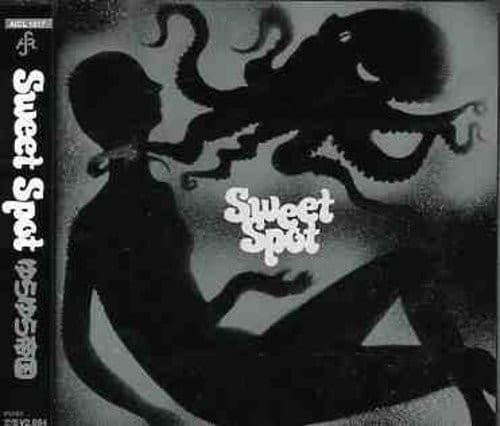
Yura Yura Teikoku
I still remember the first time I heard this album. Yura Yura Teikoku's Sweet Spot hit me like nothing else—strange, hypnotic, and completely its own thing. It opened a door to Japanese psychedelic rock that I'm still walking through.
Show more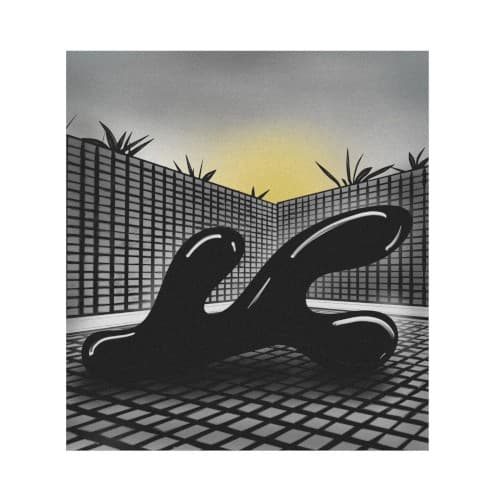
OGRE YOU ASSHOLE
With their latest release, Nature and Computers, OGRE YOU ASSHOLE continues to refine their signature blend of minimalist groove and hypnotic psychedelia. This album feels like a natural evolution of the sound they’ve been cultivating over the past decade—dry, spacious, and intellectually stimulating. The opening track, Track 1, sets a meditative tone with its sprawling 7-minute runtime, drawing the listener into a rhythmic trance that defines much of the record. Throughout the 10 tracks, the band masterfully balances organic instrumentation with a clinical, almost robotic precision, perfectly embodying the album's title. Pieces like Track 2 and Track 7 showcase the band’s ability to create "mellow paralysis"—a state where the music feels both relaxing and slightly unsettling. The production is crisp and intentional, leaving plenty of room for the airy vocals to float above the interlocking bass lines and repetitive guitar figures. While the album maintains a relatively consistent mid-tempo pace, it never feels stagnant. Instead, it invites the listener to pay attention to the subtle shifts in texture and timing. It is a sophisticated piece of art rock that confirms OGRE YOU ASSHOLE’s position as one of the most unique and consistent bands in the Japanese indie scene.
Show moreA Tribe Called Quest
There are albums that define a genre, and then there's The Low End Theory—an album that expanded what hip-hop could even be. Released in 1991, this is A Tribe Called Quest at their absolute peak, creating something that still sounds fresh over three decades later. What Q-Tip and Ali Shaheed Muhammad accomplished here as producers is nothing short of revolutionary. They took jazz—real jazz, not just looped hooks—and made it the foundation of hip-hop production. Ron Carter's upright bass on "Verses from the Abstract" is pure poetry, and the way it grooves with the drums is a masterclass in what low end theory actually means. As someone who makes beats, I'm constantly studying how they achieved this sound: minimal, clean, with space to breathe, yet absolutely knocking. The sampling approach here is sophisticated. Instead of cluttering tracks with multiple layers, they often built entire songs around a single jazz sample, letting the bass and drums do the heavy lifting. "Jazz (We've Got)" isn't just a proclamation—it's a mission statement. The way they sampled Pete Rock's remix and flipped it shows the collaborative, forward-thinking nature of this era. Lyrically, Q-Tip and Phife Dawg are perfectly balanced. Tip brings that abstract, conscious perspective while Phife grounds everything with his conversational, sometimes playful flow. Their chemistry is undeniable. "Buggin' Out" showcases this perfectly—Tip's smooth delivery contrasts beautifully with Phife's more direct approach, and that bass line? Absolutely devastating. "Scenario" might be the most iconic posse cut in hip-hop history. Leaders of the New School join in, and a young Busta Rhymes announces his arrival with one of the most memorable verses ever recorded. The energy is infectious, and it captures everything great about early 90s Native Tongues era hip-hop—fun, competitive, creative, and positive. But it's the deeper cuts that really showcase the album's brilliance. "Butter" is pure head-nodding perfection, built around that Freddie Hubbard sample. "Vibes and Stuff" lives up to its name with its laid-back groove. "Show Business" offers sharp commentary on the industry without losing the vibe. What sets The Low End Theory apart from its predecessor People's Instinctive Travels is its refined focus. Everything here serves the groove. There's no unnecessary flourish, no wasted moment. It's 45 minutes of pure hip-hop excellence, where every element—from the bass lines to the snare hits to the vocal delivery—feels intentional and necessary. This album proved that hip-hop could be intellectual without being preachy, jazzy without being pretentious, and accessible without dumbing anything down. It influenced everyone from J Dilla to Madlib to Kendrick Lamar. You can hear its DNA in so much of what came after. Living in New York, walking through the same streets that inspired these tracks, you feel the album differently. It's not just music—it's a snapshot of a city, a culture, a movement. The Low End Theory represents hip-hop growing up, finding its own voice, and proving it could stand alongside any musical tradition, including jazz itself. Essential listening for anyone who cares about hip-hop, production, or just great music period. Key Tracks: Excursions, Buggin' Out, Jazz (We've Got), Scenario, Verses from the Abstract, Check the Rhime For producers: Study the bass arrangements, the sample selection, and the restraint. Less is often more.
Show moretricot
When I first moved to Tokyo seven years ago, one of the early albums that helped me understand the brilliance of Japan's indie rock scene was tricot's debut, T H E. This 2013 release remains, in my opinion, one of the most exciting entries in the math rock genre—not just in Japan, but globally. What makes tricot so special is their ability to take the complex, often cerebral world of math rock and infuse it with an accessibility that never feels like compromise. Ikkyu Nakajima's vocals are the secret weapon here—sweet, melodic, and sung entirely in Japanese, they provide an emotional anchor that contrasts beautifully with the intricate, polyrhythmic instrumentals swirling around them. This is what sets tricot apart from their contemporaries like toe or LITE; they're not afraid to embrace pop sensibilities while maintaining technical prowess. The album opens with "THE," a brief but essential intro that seamlessly flows into "Pool," and this transition is everything. "Pool" is pure energy—a rush of angular guitar riffs from Motifour Kida, thunderous drumming from Kazutaka Komaki (sadly, this would be his only album with the band), and Hirohiro's bass holding everything together. The chorus is ridiculously catchy, almost deceptively so given the complexity of what's happening rhythmically underneath. This is shimokita-kei at its finest—that uniquely Tokyo indie rock sound that emerged from the Shimokitazawa neighborhood's vibrant live house scene. "Art Sick" stands out as one of the album's most gorgeous moments. There's a dreamlike quality to this track, with its shimmering guitar tones and the way Ikkyu's voice floats over the instrumentation. It's math rock, yes, but it's also incredibly emotional and beautiful. When I play this at record bars in Kichijoji or Shimokitazawa, even people unfamiliar with the genre immediately connect with it. The album's pacing is masterful—48 minutes that somehow feel half that length. Each track is distinct enough to maintain interest, yet there's a cohesive sonic thread running through the whole thing. "おもてなし" (Omotenashi—a Japanese word meaning hospitality that doesn't quite translate to English) showcases the band's cultural roots while remaining universally accessible. The way tricot incorporates Japanese musical sensibilities—certain melodic structures, the emphasis on ma (negative space), the emotional directness—while operating within a Western-originated genre like math rock is fascinating to me as both a listener and someone who writes about cultural exchange in music. "99.974℃" is a personal favorite. The title refers to the temperature just below boiling point—a perfect metaphor for the controlled chaos that tricot excels at creating. The track builds and builds, maintaining tension without ever quite exploding, and it's thrilling every single time. What I find particularly interesting about T H E in the context of tricot's discography is how it established their foundation. Later albums like A N D and 3 would push their sound in different directions—adding more punk energy, experimenting with production—but this debut captures something pure about their original vision. The musicianship is stunning throughout: Kida's guitar work is inventive and precise, Hirohiro's bass lines are melodic and driving, and Komaki's drumming is simply phenomenal. For international listeners discovering Japanese indie rock, tricot represents a perfect gateway. Unlike some math rock that can feel cold or overly technical, tricot's music is warm, inviting, and genuinely fun. The fact that they sing in Japanese might seem like a barrier, but I'd argue it's part of the appeal—Ikkyu's voice becomes another instrument in the mix, and the emotional content comes through regardless of whether you understand the lyrics. After living in Tokyo for years, haunting record shops in Shibuya and Shinjuku, and catching countless shows at venues like Shibuya WWW and Shimokitazawa Shelter, I can confidently say that tricot's T H E deserves its place among the essential Japanese indie albums of the 2010s. It reached #18 on the Oricon charts—impressive for an indie release—and helped introduce international audiences to the depth and creativity of Japan's underground music scene. Not every track is perfect—occasionally the formula becomes a bit predictable, and purist math rock fans might find it too pop-oriented—but these are minor quibbles. What tricot achieved with their debut was something special: they created an album that works both as a showcase of technical skill and as a collection of genuinely great, emotionally resonant songs. If you're new to Japanese indie rock, start here. If you're a math rock enthusiast looking for something with more heart, start here. If you just want to hear one of the most joyful, energetic rock albums of the past decade, start here.
Show more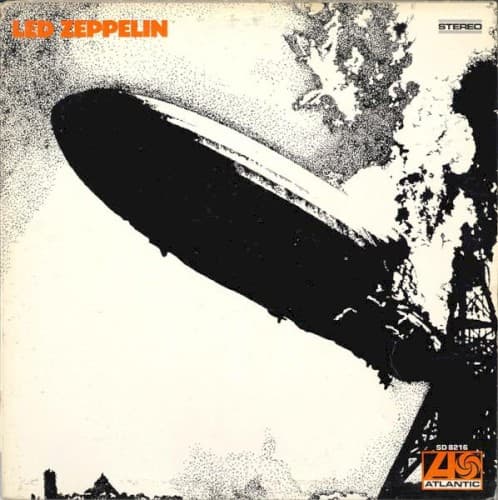
Led Zeppelin
ハードロックの歴史が始まった瞬間を記録した、衝撃的なデビューアルバム。1969年にリリースされたこの作品は、ロック音楽の地殻変動を引き起こし、70年代のハードロック/ヘヴィメタルシーンの基礎を築いた革命的な一枚だ。 冒頭の「Good Times Bad Times」からもう圧倒される。John Bonhamのドラミングが最初の数秒で全てを物語っている。このキックドラムの音圧、そしてスピード感。当時、こんなドラミングをするロックドラマーは他にいなかった。Jimmy Pageのギターリフも鋭利で、Robert Plantの若々しくも力強いボーカルが完璧に絡み合う。たった2分半の曲の中に、Led Zeppelinというバンドの全てが詰まっている。 そして「Babe I'm Gonna Leave You」。アコースティックとエレクトリックを行き来する構成が素晴らしい。静と動のコントラストがこれほど効果的に使われた曲は、当時ほとんどなかったはずだ。Plantの感情を揺さぶるボーカル、特にサビでのシャウトは魂が震える。この曲でLed Zeppelinが単なるブルースロックバンドではないことが証明される。 「You Shook Me」と「I Can't Quit You Baby」では、ブルースへの深いリスペクトが表れている。Willie DixonやMuddy Watersといったブルースの巨人たちの楽曲を、Led Zeppelinは完全に自分たちのものにしている。Pageのギターソロはブルースの伝統を受け継ぎながらも、より攻撃的で実験的。John Paul Jonesのベースとオルガンも、曲に深みと厚みを加えている。 アルバムのハイライトは間違いなく「Dazed and Confused」。6分半以上にわたるこの曲は、サイケデリックでダークな雰囲気を持ち、Pageのヴァイオリン弓を使ったギター奏法が異様な緊張感を生み出す。この曲はライブでさらに拡張され、Led Zeppelinのライブパフォーマンスの象徴となった。リフの重さ、展開の巧みさ、すべてが完璧だ。 「Communication Breakdown」は、後のパンクやハードコアにも影響を与えたであろう、2分半の爆発的エネルギーの塊。とにかく速くて、激しくて、ストレート。このシンプルさの中に宿る破壊力がすごい。ライブで盛り上がること間違いなしの一曲。 アルバムを締めくくる「How Many More Times」も8分半の大作。ブルースをベースにしながら、様々な展開を見せる構成力が光る。インプロビゼーション的な部分もあり、バンドの演奏力の高さを存分に味わえる。 プロダクション面でも革新的だった。Pageのギターの音作り、特にディストーションの使い方やダブルトラッキングは、当時としては画期的。Bonhamのドラムの録音方法も独特で、あの巨大な音を生み出すことに成功している。 このアルバムがリリースされた時、音楽評論家たちの評価は必ずしも高くなかったらしいが、時間が経つにつれてその重要性は誰もが認めるところとなった。Led Zeppelinはこのデビュー作で、ハードロックというジャンルの可能性を一気に広げ、無数のバンドに影響を与え続けている。 ロックを真剣に聴くなら、このアルバムは必修科目。ブルースとロックの完璧な融合、そしてバンドとしての圧倒的な演奏力。Led Zeppelinの伝説はここから始まった。 おすすめトラック: Good Times Bad Times, Dazed and Confused, Communication Breakdown, Babe I'm Gonna Leave You
Show more

Follow music lovers and discover your next masterpiece.
By signing in, you agree to our Terms of Service and Privacy Policy.
Follow music lovers and discover your next masterpiece.
By signing in, you agree to our Terms of Service and Privacy Policy.